Share this



As we head into the summer months, it’s the perfect time to give your skin the attention it deserves. Regular skin checks are one of the simplest, most effective ways to catch potential issues early and when it comes to skin cancer, early detection can make an enormous difference.
Melanoma is the most serious form of skin cancer. It develops when melanocytes the pigment-producing cells that give colour to our skin, hair and eyes begin to divide uncontrollably. Melanoma can spread quickly, which is why spotting changes early is so important.
At HealthCarePlus, we want to remind Members that regular skin checks, professional screening, and proactive monitoring tools are all valuable steps in protecting your health. Especially, with skin cancer rates in Aotearoa among the highest in the world, these aren’t just good habits, they’re essential ones.
Why skin checks matter
A simple skin check will go a long way towards protecting your skin and helping you spot any moles or skin patches that have appeared or changed over time. So we have put together an article drawing from information available from SunSmart and Melanoma NZ to help with some useful advice for doing so...
The Ministry of Health recommends that all adults, particularly people 50 and over:
- regularly examine their skin - including skin that's usually covered up - so they know when something changes
- get someone else to check areas they can't see, such as their back and scalp
- see a doctor about anything that looks suspicious.
More than 500 New Zealanders die from skin cancer each year, with melanoma causing most of these deaths.
Understanding the early signs helps you know what to look out for:
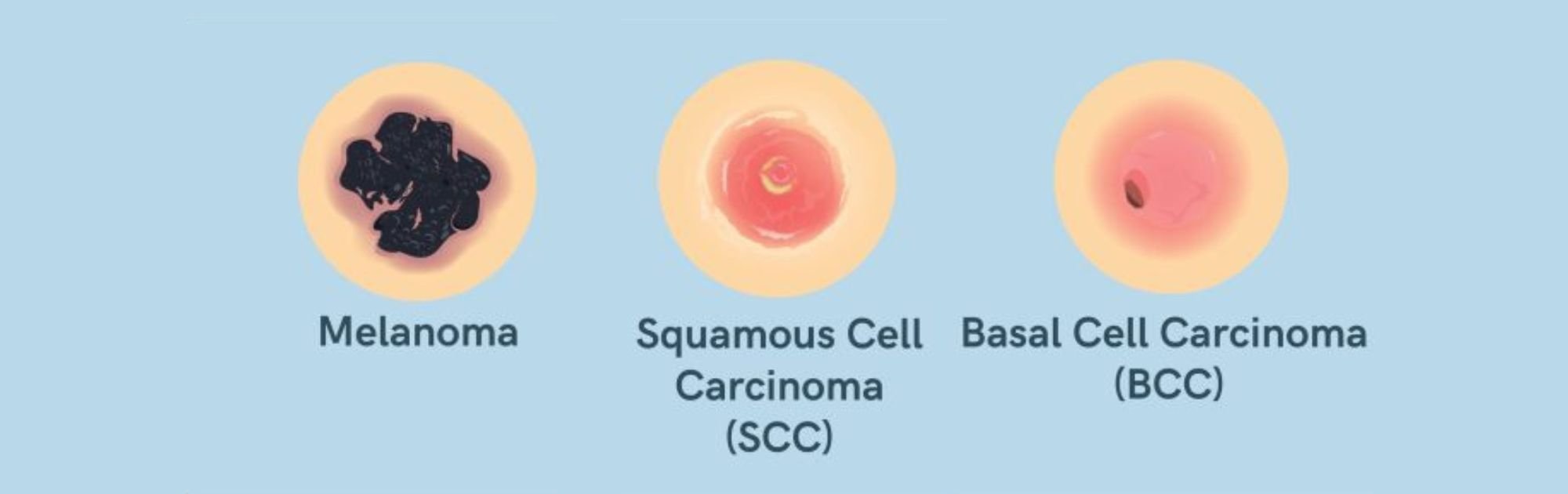
Melanoma skin cancers:
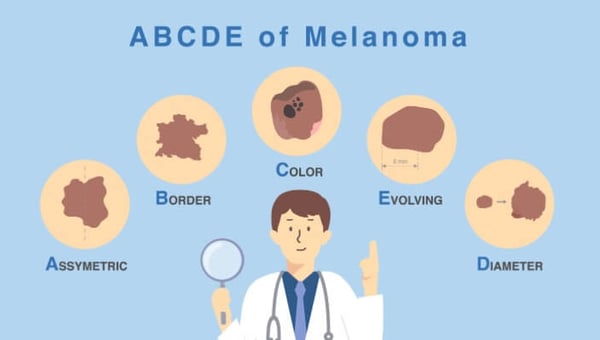
Melanomas appear as a new spot, or an existing spot, freckle or mole that changes colour, size or shape, and they may be itchy or bleed.
Melanomas can appear anywhere on the body, even on parts that aren’t usually exposed to the sun, such as the soles your feet.
Non-melanoma skin cancers:
There are two types of non-melanoma skin cancers – basal cell carcinomas (BCC) and squamous cell carcinomas (SCC).
- BCCs appear as a pale red or pearly smooth lump, usually on the face or neck.
- SCCs often appear as a raised, crusty, non-healing sore. They are commonly found on the hands, forearms, ears, face or neck. SCCs found on the lips and ears have a high risk of spreading.
If you’ve ever been sunburnt, even once, your risk of developing skin cancer increases. That’s why creating a regular checking routine is so important.
Three steps for checking your skin
1. Check your skin regularly
Find a frequency that works for you, monthly or seasonally is a good starting point and repeat it often enough for it to become familiar.
If you’re unsure how often you should be checked professionally, talk to your doctor. They can use the Melanoma Risk Predictor Tool to estimate your five-year risk and suggest how often you should have a full-body skin check.
2. How to do the check
Look over your entire body regularly including areas you don’t see often or that aren’t normally exposed to the sun. Be sure to check:
- your armpits
- behind your ears
- your scalp
- the bottom of your feet
- between your toes
- your fingernails and toenails.
Use a hand mirror or ask someone you trust to help with harder-to-see areas.
It also helps to keep track of spots or moles photos so you can compare over time. Apps like SkinVision are ideal to use for this purpose. It gives you a simple way to track changes over time and take action early
If anything feels different or makes you uneasy, see your doctor and show them exactly what’s worrying you.
Melanoma NZ has created an excellent tutorial on how to check your skin. You can watch it here, or find more guidance on the Ministry of Health website.
3. See your doctor
See your doctor as soon as possible if you:
- see or feel something that's new on your skin
- see or feel something that’s different from other moles
- notice a mole that’s changed from the last time you checked - this could include a change in the colour, shape or size, or if it is bleeding or itchy.
Some skin cancers can spread very quickly, so noticing a change in your skin quickly (early detection) means that it's more likely to be treated successfully.
Use your Primary Care Plans
We know cost can be a barrier for some people which is why UniMed’s day-to-day plans include support for GP visits and skin checks:
✔ 50% back on GP visits
Under the Medical, Specialist and Tests benefits, your UniMed Plan enables you to claim back 50% of your GP consultation cost, as long as you don't exceed the annual benefit maximum. up to their annual benefit maximum.
✔ 50% back on Mole Mapping with Primary Care Extra
Members with Primary Care Extra can also claim 50% of the cost of Mole Mapping, again up to their annual limit. To read more, please click here.
Combined with the additional benefit of access to SkinVision to that their plans it makes regular skin monitoring more affordable and accessible.
Final thought from us
Your skin tells a story and by checking it regularly, you’re looking after more than just your health. You’re taking time to care for yourself. With UniMed’s tools and benefits behind you, protecting your skin can be simple, reassuring and empowering.
Sources:
-
SunSmart New Zealand – UV radiation and sun protection guidance
-
Ministry of Health | Health NZ – Sun safety and skin protection
-
Melanoma New Zealand – Prevention, signs, and early detection
-
SkinVision – Understanding skin changes and skin-cancer risk indicators
Leave a comment