Share this



Scams are becoming more sophisticated, and older New Zealanders are often targeted by people hoping to exploit trust, urgency and access to savings. A few practical habits can go a long way in helping protect your money, your identity and your peace of mind.
Why retirees are often targeted
Scammers are skilled at making contact feel believable.
They might pretend to be from your bank, Inland Revenue, Police, a telco, or even a family member in trouble. They rely on pressure, confusion and fear to get people to act quickly, before there is time to stop and think.
Age Concern says scams often manipulate vulnerability and unfamiliarity with technology, while Netsafe’s guidance for older adults focuses on building confidence and recognising the signs early.
For retirees, the impact can be especially serious. A scam does not just threaten day-to-day spending money — it can put long-built savings, financial security and confidence at risk. That is why a calm, practical approach matters more than ever.

The most common scams to watch for
Many scams follow familiar patterns, even when the details change.
One common type is the imposter scam.
This is where someone claims to be from a trusted organisation and says there is a problem you need to fix immediately.
It might be suspicious account activity, a tax issue, a package that cannot be delivered, or a supposed computer problem. New Zealand banks and consumer agencies regularly warn about these impersonation tactics.
There are also investment scams, which promise high returns with little or no risk.
These often sound polished and convincing, and may involve fake experts, fake websites or pressure to move quickly before an “opportunity” disappears.
Then there are romance scams, where someone builds trust online over time before asking for money, and family emergency scams, where a caller or texter pretends to be a loved one who needs urgent financial help.
Another scam to watch for is a remote access scam. This is when someone says there is a problem with your computer, phone or internet and asks to take control of your device. Once they are in, they may try to steal banking details, passwords or personal information.

The red flags that matter most
While scams come in different forms, the warning signs are often the same.
The first is urgency. Scammers want you to panic and act fast. They may say your account will be frozen, that you owe money, or that a loved one needs help right now.
The second is secrecy. They may tell you not to speak to anyone else.
The third is unsolicited contact, an unexpected call, email or text asking for money or personal details.
And the fourth is unusual requests, such as paying by gift card, cryptocurrency, transfer to a new bank account, or sharing passwords and security codes.
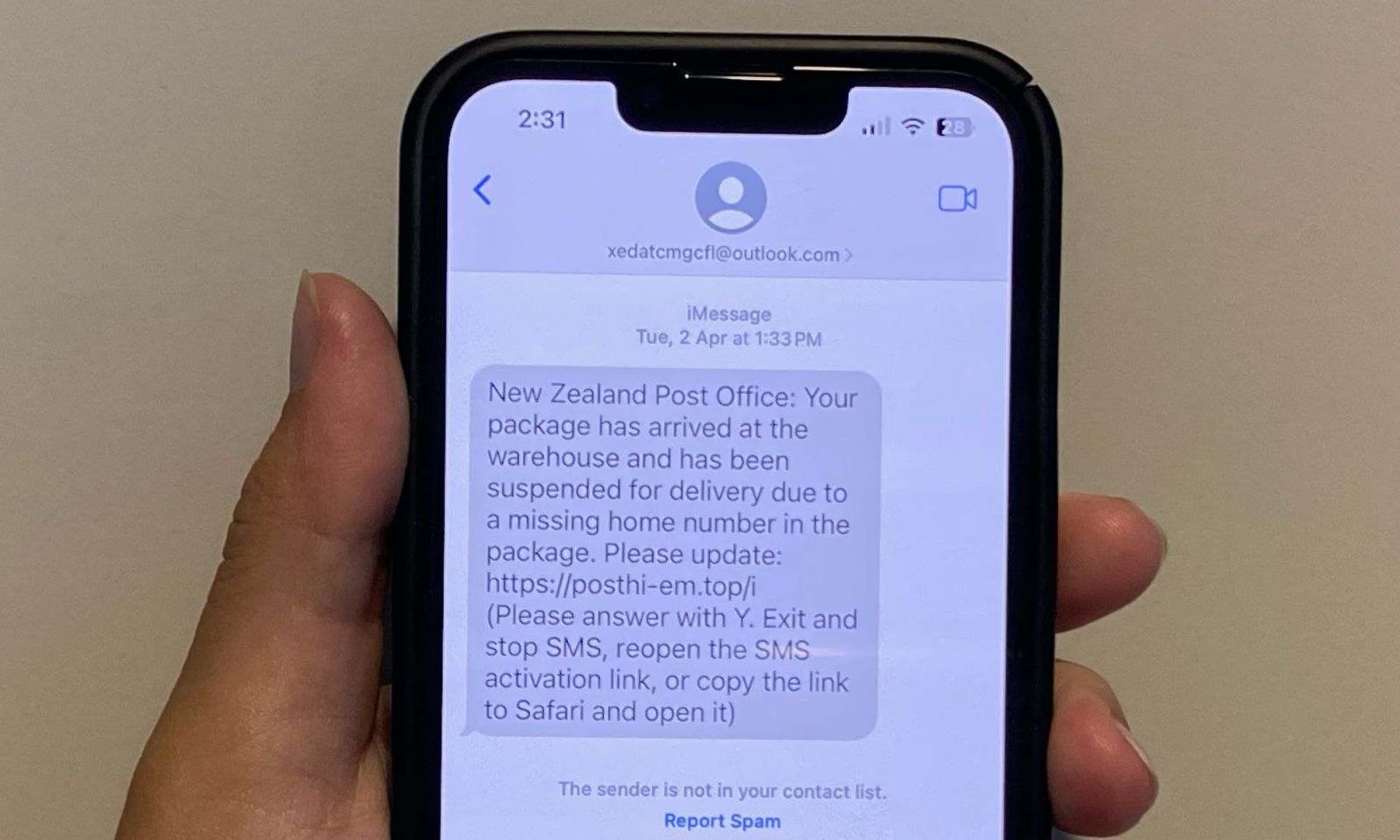
Consumer Protection and the New Zealand Banking Association both emphasise these as major signs that something is wrong.
Practical ways to protect yourself
The strongest protection is often the simplest.
If someone claims to be from your bank or another trusted organisation, hang up and contact them using the official number on their website, on the back of your card, or from a document you already have.
Do not use the number they give you in a text, email or phone call.
The New Zealand Banking Association’s advice is to “take a sec to check” before making a payment, clicking a link or handing over personal information.
These habits are not about becoming suspicious of everything. They are about giving yourself time and space to check whether something is genuine.
If you think you have been scammed
If something does go wrong, acting quickly can make a real difference:
-
Stop all contact with the scammer and contact your bank immediately.
-
Change any passwords that may have been affected.
Consumer Protection says reporting a scam can help you get advice specific to your situation and can also help protect others.
Netsafe can support people dealing with online scams, and Consumer Protection points people to the right reporting channels depending on the type of scam involved.
Helpful resources
If you’re worried about a scam, think something doesn’t feel right, or need help after being targeted, these New Zealand organisations can help:
Netsafe
For advice and support about online scams, suspicious messages, fake websites, romance scams and other online harm. Netsafe provides free help for people in New Zealand, including phone, text, email and online reporting.
Consumer Protection Scamwatch
A useful place to learn how to spot scams, check warning signs, and find out what to do if you have already been scammed. Their guidance also points people to the right reporting channels depending on the type of scam.
New Zealand Banking Association
Helpful for general scam-prevention advice, especially around payments, bank impersonation scams, and the “take a sec to check” message before clicking, paying or sharing information.
Your bank
If money has been sent, your card details have been shared, or you think your account has been compromised, contact your bank immediately. Acting quickly can improve the chances of stopping further loss. This is consistently recommended in New Zealand scam guidance.
Financial Markets Authority (FMA) Scam Alerts
The place to go for suspected investment scams, fake investment offers, suspicious trading platforms or “guaranteed return” schemes. The FMA also maintains scam warnings and alerts.
Final thoughts from us
The good news is that protecting yourself does not have to be complicated. Slow down. Check first. Never feel pressured to make a decision on the spot. And remember that real organisations will not mind if you take the time to verify who they are.
A few careful habits can help protect not only your money, but also your confidence. And that is worth holding on to.

Have you thought about Lifetime Retirement Income to look after your money in retirement?
They know that people spending in retirement require significantly different strategies to those who are saving for retirement. They manage retirees money a little differently to people who are saving for retirement. The reason for that is they have to make sure retirees savings last.
So click on the button below and take a couple of minutes to read all about them.
Lifetime Income
Turn your retirement savings into a regular income

Leave a comment