Share this



Spending time outdoors is part of everyday life for many New Zealanders especially over the warmer months. With that comes increased exposure to the sun, which makes skin health an important part of looking after our long-term wellbeing.
This article continues our ongoing focus on skin health and early detection. While we’ve shared similar content before, it’s a topic worth revisiting because knowing what’s normal, what’s not, and when to get checked can make a real difference.
Why we’re sharing this article
There’s a lot of information online about skin spots, moles, and changes to watch for and it’s not always easy to know what’s worth paying attention to.
We recently came across an article from MoleMap that clearly explains the difference between common, benign skin spots and those that may need closer attention. What we liked about it was its practical, easy-to-understand approach, helping people feel more confident about when to monitor changes and when to seek professional advice.
Rather than guessing or ignoring changes, having clear guidance can support early action and peace of mind.
What the experts say
In their article, MoleMap outlines several types of skin spots that can look concerning but are often harmless, alongside signs that may warrant further checking. They explain that while many skin spots are benign, changes over time, such as size, shape, colour, or sensation are often more important than how a spot looks at a single point in time.
The article also reinforces that early detection is key. When skin concerns are identified early, outcomes are generally better and treatment options may be simpler.
We recommend you read the full article here: "Benign skin spots that can look like skin cancer: What’s normal, what’s not, and when to get checked" explains these differences in a clear, visual way helping you understand when a spot is likely normal, and when it’s time to book a professional skin check.
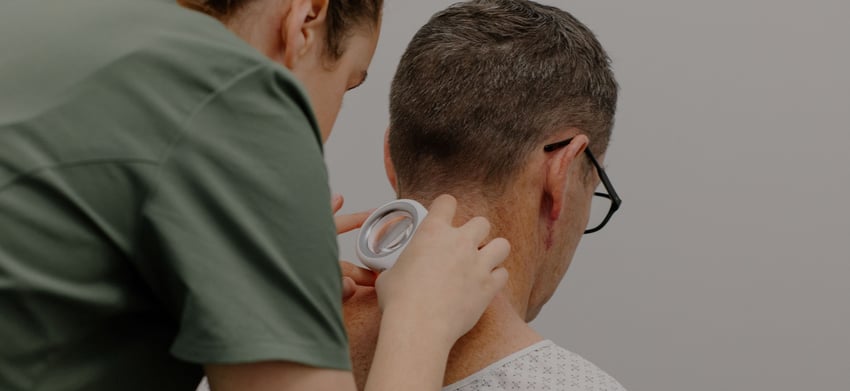
Why early detection matters
Skin cancer is highly treatable when detected early. The challenge is that many skin cancers don’t cause pain or obvious symptoms in the early stages.
That’s why regular self-checks, professional skin checks, and early-detection tools all work together. Prevention isn’t about panic, it’s about awareness and timely action.
Support through your Primary Care Plans
Whilst awareness is an important first step, being able to act on concerns matters just as much.
HealthCarePlus members who have an eligible Primary Care Plan can use their benefits to support skin checks or primary care consultations, helping reduce the cost barrier to getting something looked at sooner rather than later. This can be especially helpful if you notice a change and want reassurance or professional advice.
✔ 50% back on GP visits
Under the Medical, Specialist and Tests benefits, your UniMed Plan enables you to claim back 50% of your GP consultation cost, as long as you don't exceed the annual benefit maximum.
✔ 50% back on Mole Mapping with Primary Care Extra
Members with Primary Care Extra can also claim 50% of the cost of Mole Mapping, again up to their annual limit. To read more, please click here.
In addition to your Primary Care cover
All UniMed Plan Holders can take advantage of two specific pro-active skin check benefits/offers:
1. 20% discount on all MoleMap skin services
UniMed have partnered with MoleMap to offer all their policyholders a 20% discount on all skin check services.
2. Free access to SkinVision App
UniMed have partnered with SkinVision to provide Health Plan holders with access to a mobile app that will enable you to take control of your skin health and support you in detecting skin cancer early.

Final thought from us
When it comes to skin health, small changes can be easy to dismiss but paying attention and acting early can make a meaningful difference.
Having access to trusted information, combined with benefits that help support timely checks, makes it easier to take proactive steps toward protecting your long-term health.
If you haven’t checked your skin recently, then we hope this is a timely reminder and please make sure you use all the tools and support that you have available to you as a HealthCarePlus Member and UniMed Plan Holder.

Leave a comment